
On grain, honesty, and why some moments deserve to be slowed down.
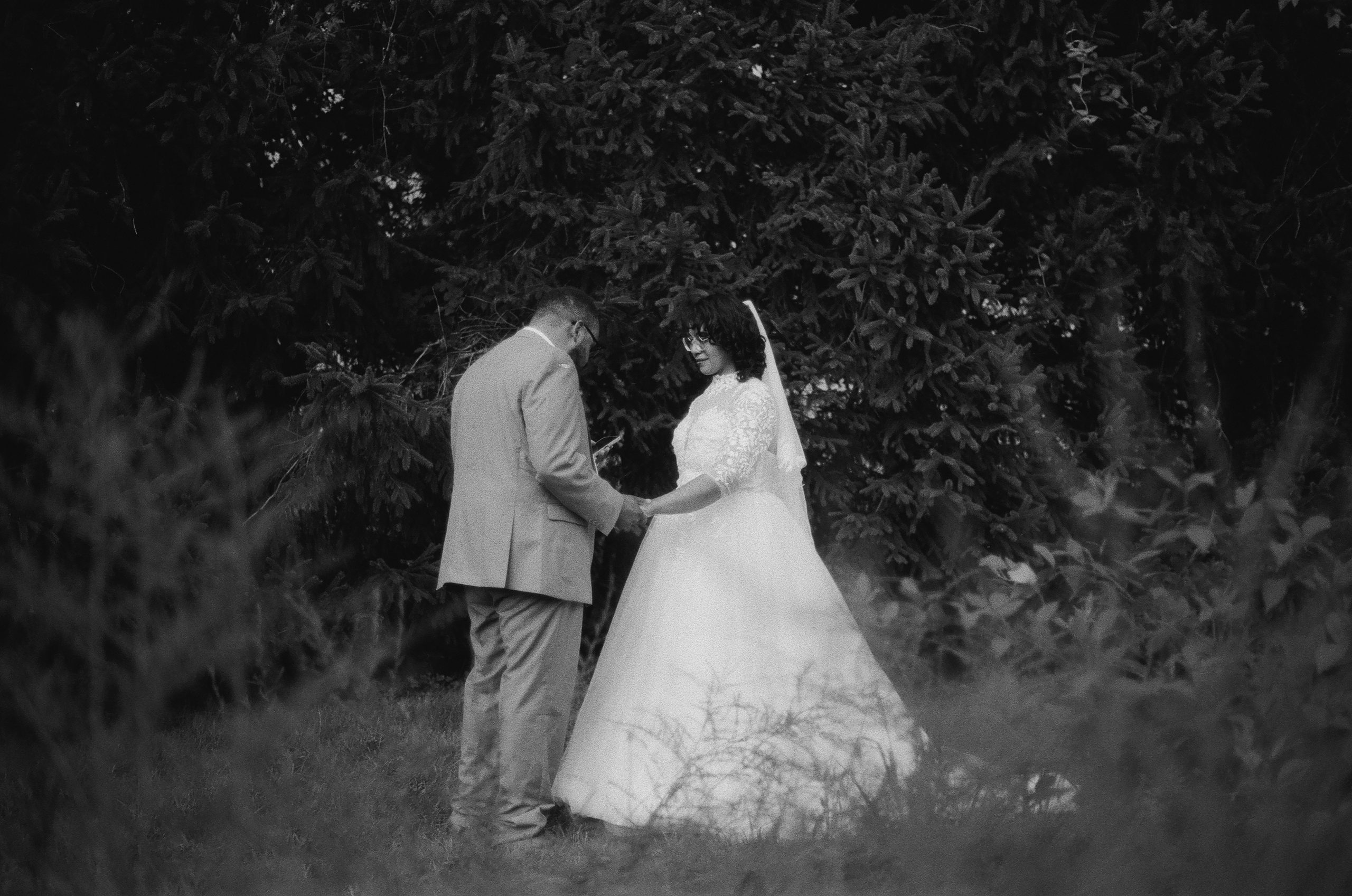
For each wedding I photograph in Pennsylvania, I bring several rolls of film. CineStill BwXX. I shoot these at 800 ISO — pushed two stops from box speed.
I find that film’s unique rendering is better to capture certain moments. Those at each wedding that feel different from the others — quieter and more intimate.
What Pushing Film Actually Does
When you push film, you are underexposing it in camera and then compensating in development. The result is a deeper contrast and emphasized grain. This is not a flaw, but an intentional shift in how the image, and emotion captured, are conveyed. Shadows are deeper. Contrast is increased. The grain is not noise, but texture.
BwXX is a modified black-and-white motion picture stock — the same film used in cinema for decades. Pushed to 800, it produces images with weight. They are both anachronistic and timeless.
Why I Bring It to Weddings
I am not a film photographer who occasionally shoots digital. I shoot primarily with the Nikon Z8 — fast, reliable, and built for the moments that will not wait. But digital cameras cannot replace what is captured by film. Every roll is 36 images. Each one of those is calculated, deliberate.
Each shot is unique. It is about watching and waiting for the right moments — the ones mean more than the others.
What It Gives Couples
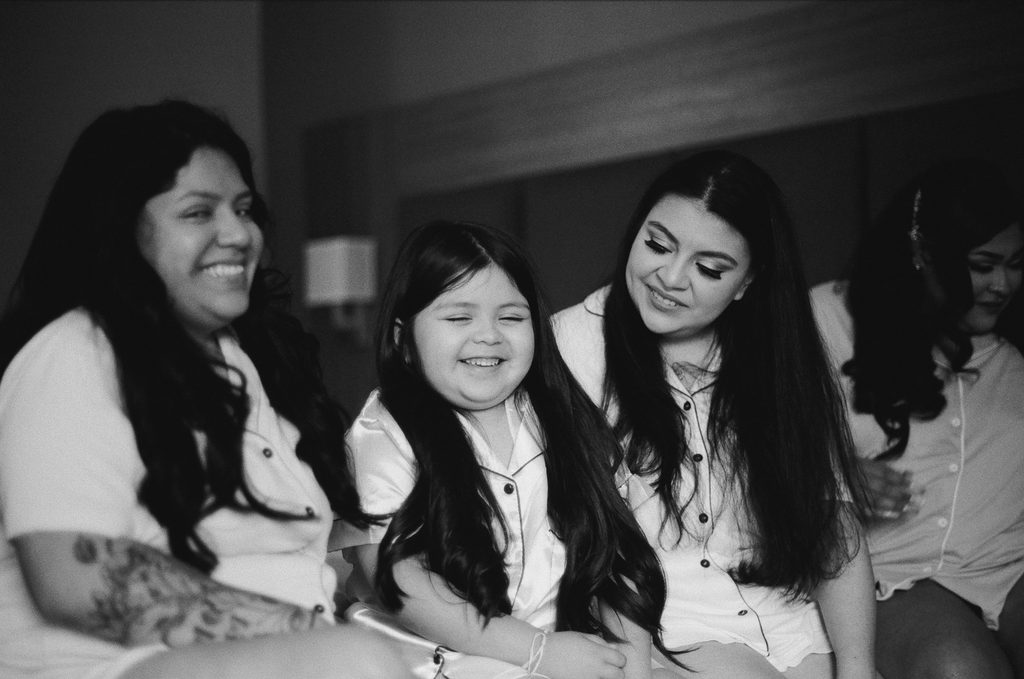
A handful of film frames mixed into a digital gallery changes the overall character of the work. The digital images look sharper beside them. The film images look more honest. Together, they make a more complete record of the day — not everything that happened, but something closer to how it felt.
There is also something worth saying about longevity. Digital files are format-dependent. A physical negative exists independent of whatever operating system you are running in thirty years. The silver is in the film. The image is not going anywhere.
It Is Not for Every Couple
If you want comprehensive film coverage of your wedding — rolls and rolls of it, color and black-and-white on medium format — I am not the right fit for that. There are photographers who have built their entire practice around it, and they are very good.
What I offer is something more integrated. The film is not a package add-on. It is part of every wedding. Some weddings produce two dozen frames that earn their place in the final gallery. Some produce two or three. I do not force it. I do not shoot film because a couple asked for it. I shoot it when the moment calls for it.
The Camera in the Bag
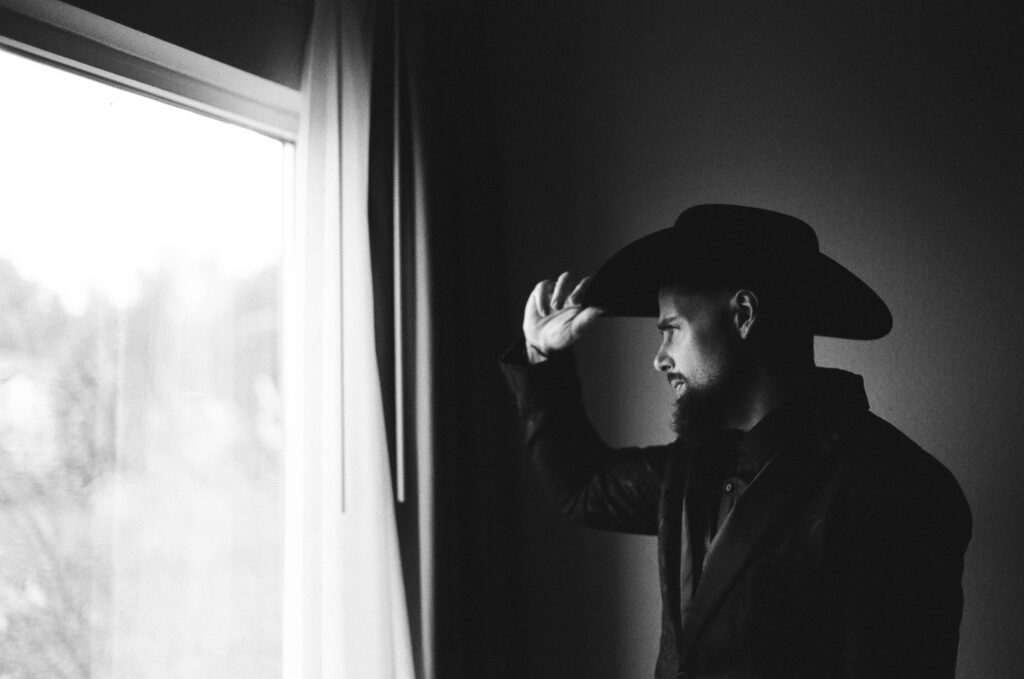
I load BwXX the morning of every wedding. Having it there keeps me looking at things differently.
Drew Ferguson is a wedding photographer based in Northeast Pennsylvania, available throughout PA, NJ, NY, and for destination weddings.
